British
politicians and politics was never this exciting, but thanks to Jeffrey
Epstein's emails, a whole lot of gossip behind the financial scenes just
became unzipped public knowledge. We wonder what else got unzipped? With
former Prince Andrew
Mountbatten-Windsor, also accused of misconduct
in public office, allegedly? The scandal makes Bojo's
indiscretions look tame.
If
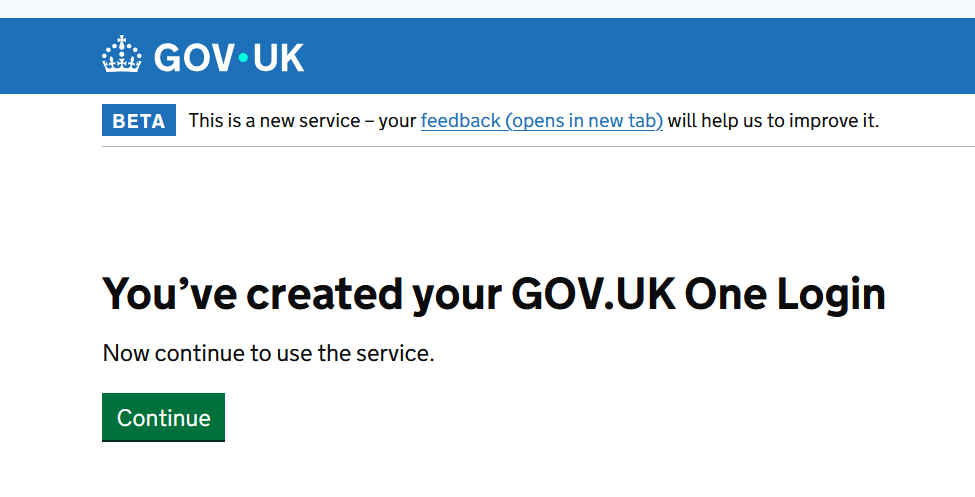
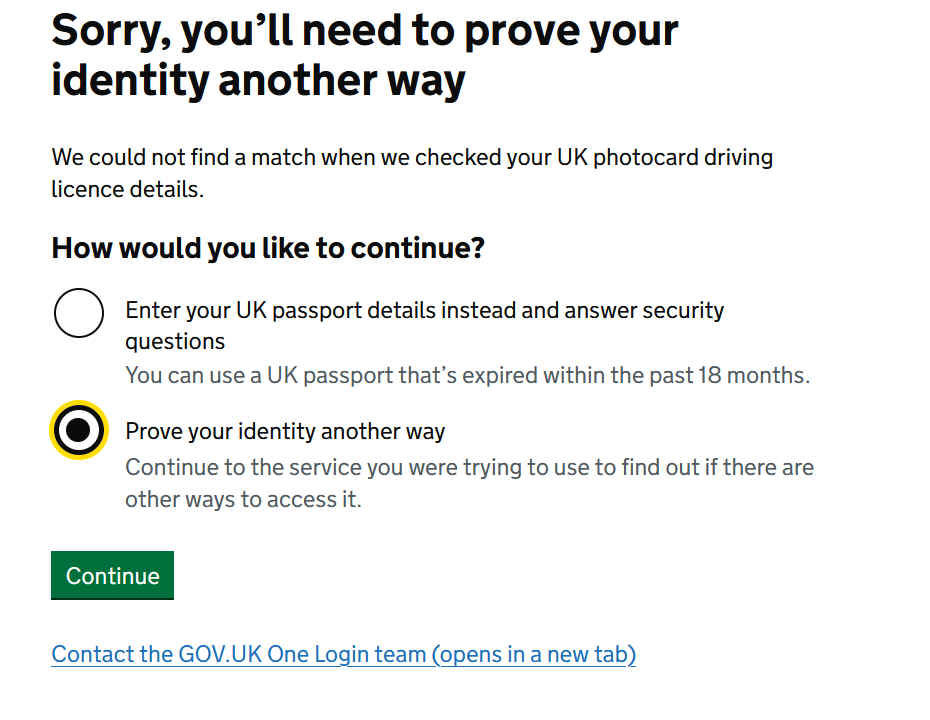
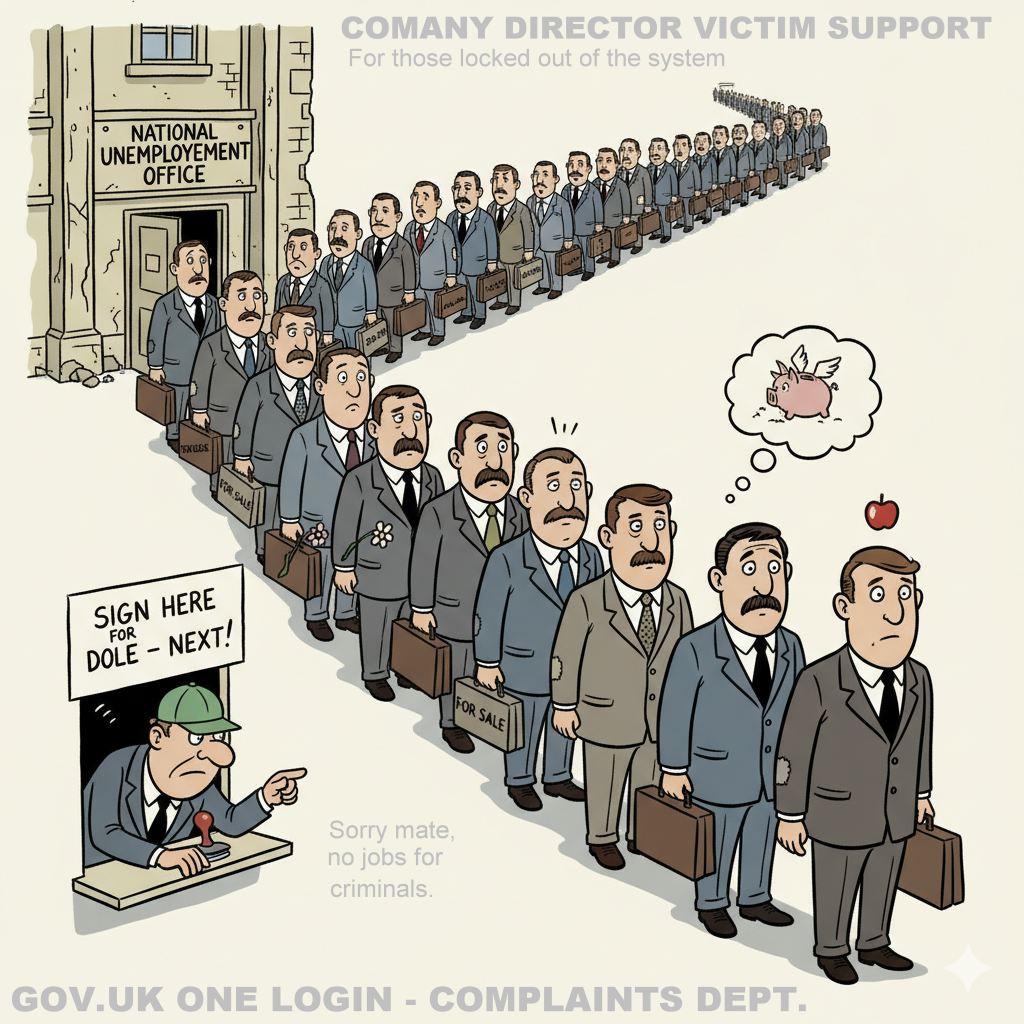
you are one of the unlucky ones, being locked out of the GOV.UK One
Login system, the below may seem all too familiar:
ANALYTICAL PIECE - Digital Identity, Analog Failures: Why the UK s One Login Rollout Is Faltering
By our investigate team
When the government unveiled its GOV.UK One Login platform, it was presented as a cornerstone of Britain s digital future: a unified identity system intended to streamline access to public services, reduce fraud, and modernise the state s administrative machinery.
Yet as the system moves from controlled pilot to widespread adoption, a growing number of company directors are finding themselves locked out, unable to verify their identity, and facing potential penalties for non‑compliance. The complaints are not isolated. They are accumulating and they raise uncomfortable questions about the system s readiness, the oversight behind its rollout, and the political decision‑making that allowed a Beta‑stage platform to become a legal gateway for millions.
A SYSTEM STRUGGLING UNDER ITS OWN AMBITION
The One Login programme is one of the most ambitious digital identity projects the UK has attempted. It replaces a patchwork of legacy systems with a single, centralised verification process. In theory, this should reduce duplication and improve security.
In practice, the system is showing signs of strain.
- Directors attempting to verify their identity report:
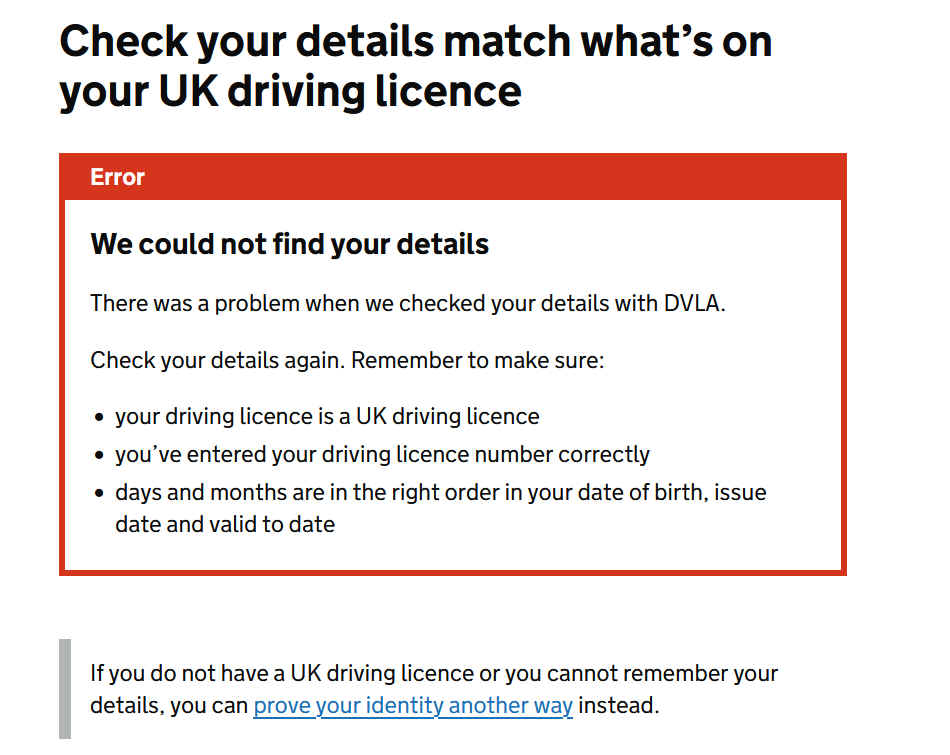
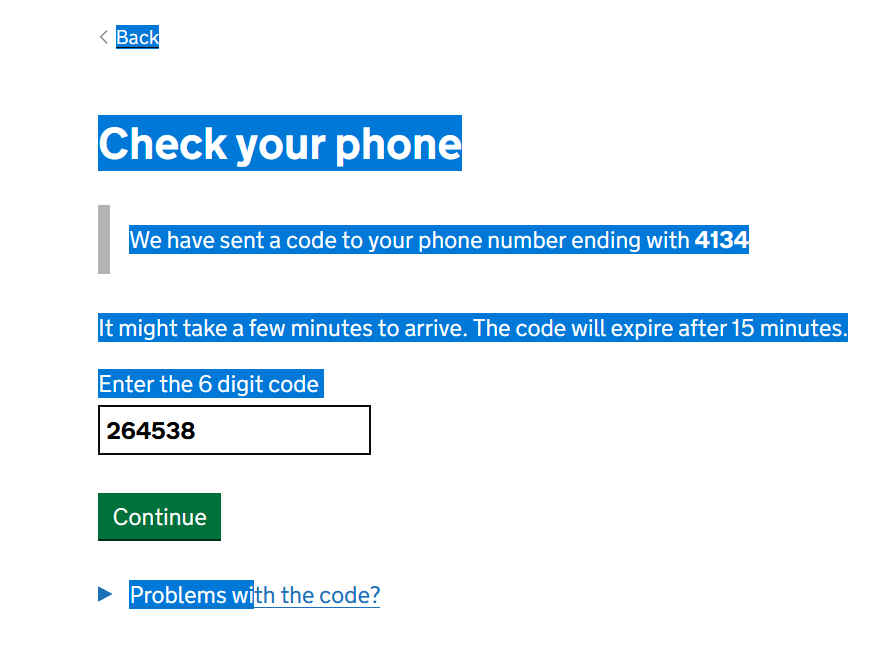
- verification codes that never arrive
- accounts locked after a single failed attempt
- support staff unable to escalate cases
- inconsistent guidance
- and no fallback mechanism when the system fails
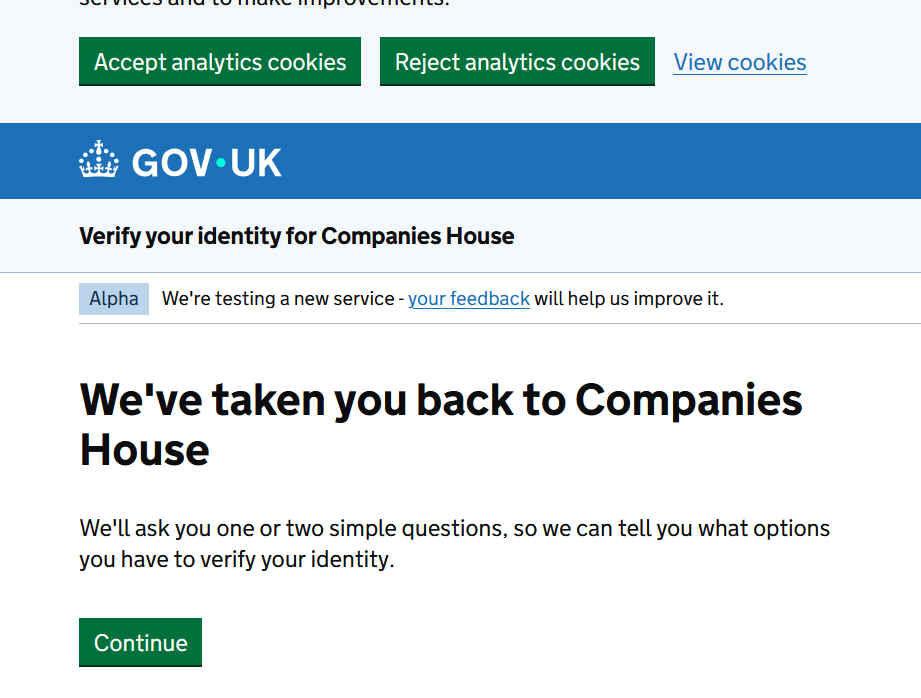
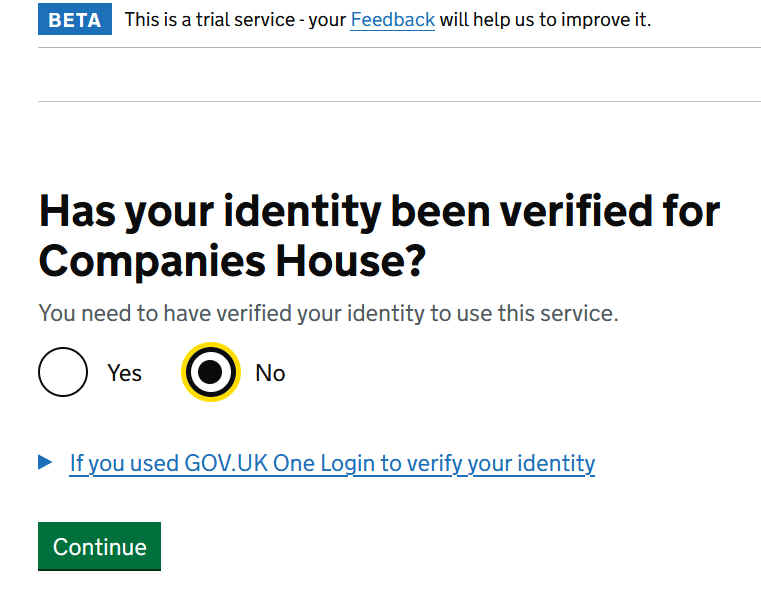
In one case, five companies operating from the same premises attempted verification with the assistance of trained support staff. All five failed. The system did not send the required text messages, and after multiple attempts, the users were locked out entirely.
The official explanation:
The system has failed you.
How did the technology go wrong? Experts point to several structural issues.
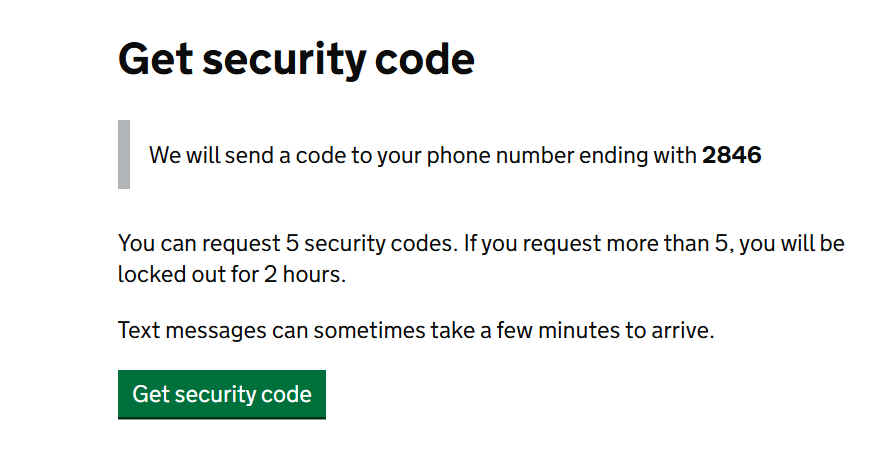
1. A Beta system deployed at national scale
One Login remains officially in Beta, yet it is now the mandatory gateway for directors under the Companies House reforms. Beta systems are, by definition, incomplete. They require iterative testing, controlled environments, and rapid feedback loops.
Instead, One Login has been deployed into a high‑stakes legal environment, where failure has real consequences.
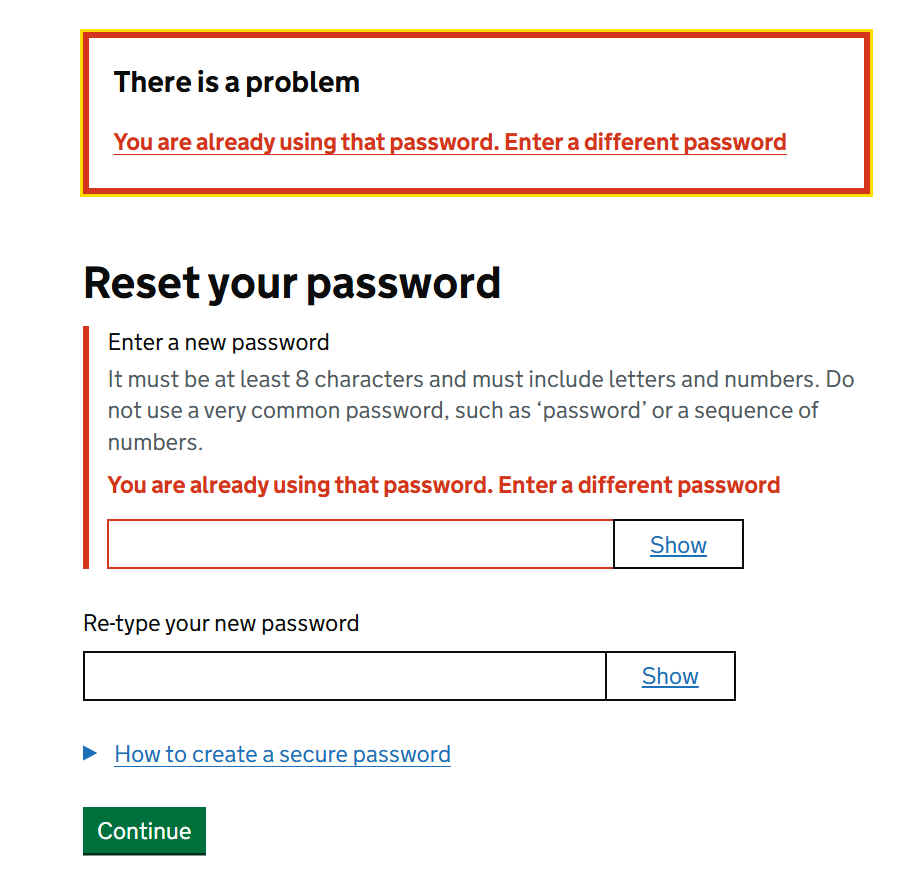
2. Over‑reliance on SMS verification
The system depends heavily on text messages a notoriously unreliable channel affected by:
- network congestion
- number‑porting delays
- rural signal issues
- carrier filtering
- international routing problems
In a consumer app, this is an inconvenience. In a statutory identity system, it is a critical flaw.
The solution? Estonia,
is an example of a system that works. Offering a competitively priced
system, that outperforms the (at present) UK dysfunctionality. Something
that directors in the UK may want to consider.
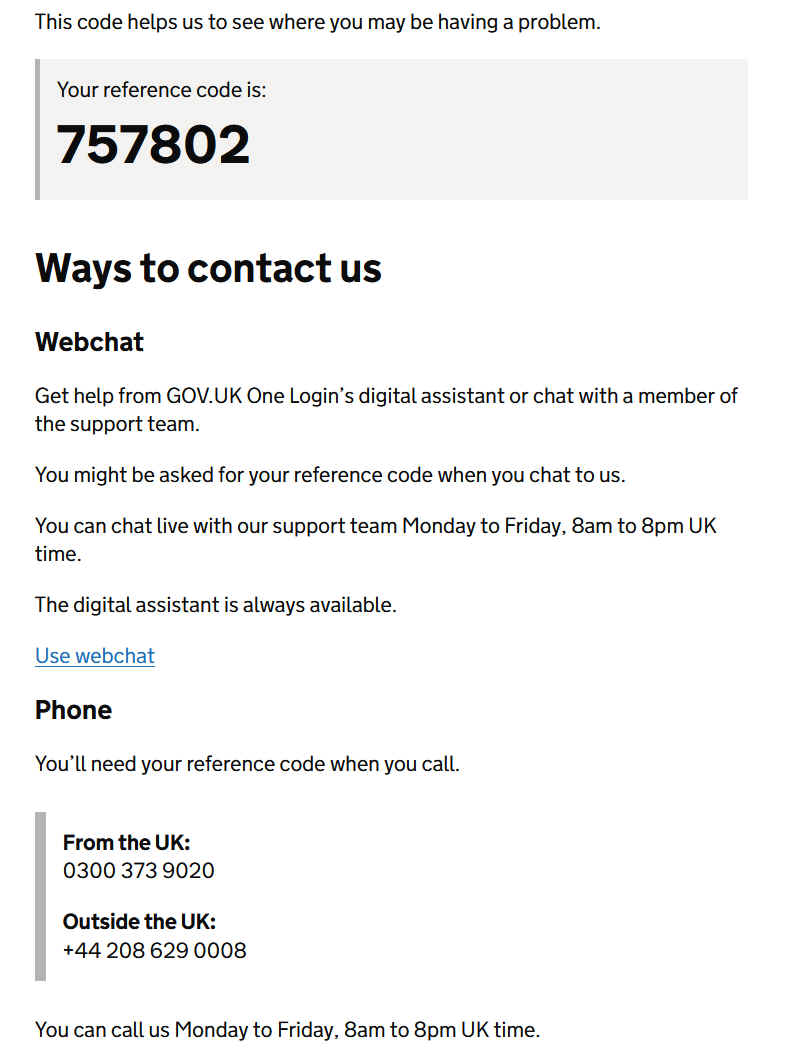
3. Insufficient redundancy
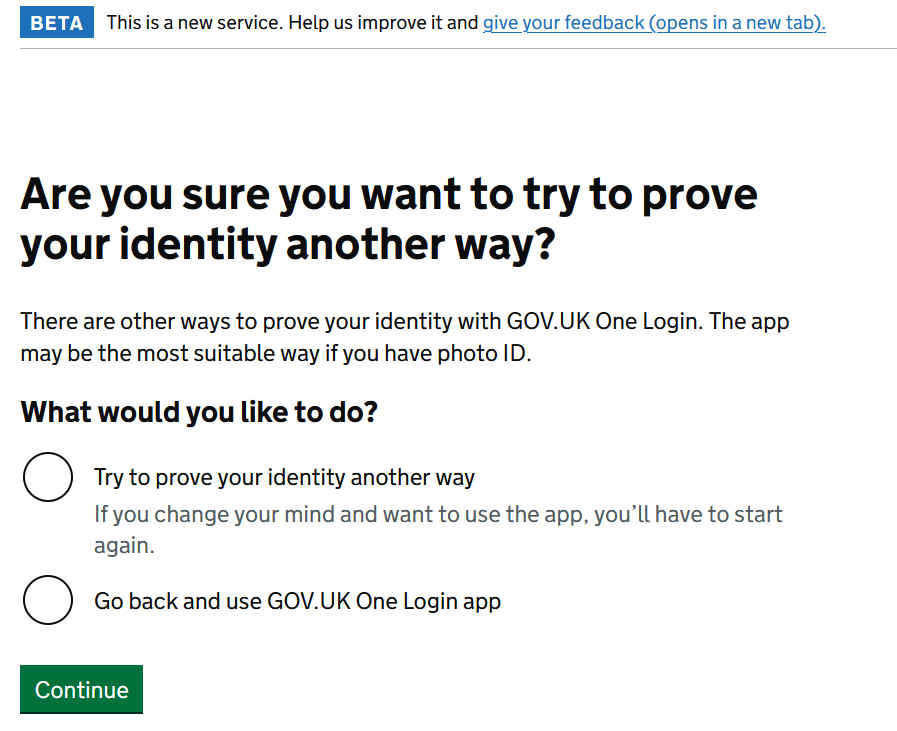
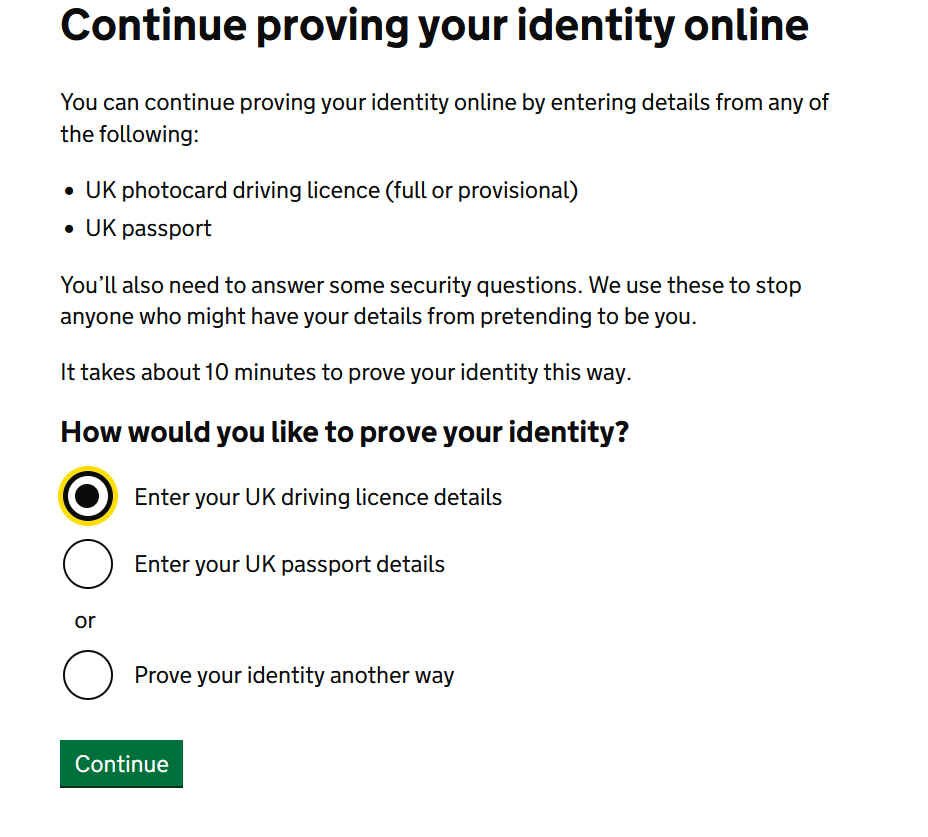
There is no robust fallback for users who cannot receive codes.
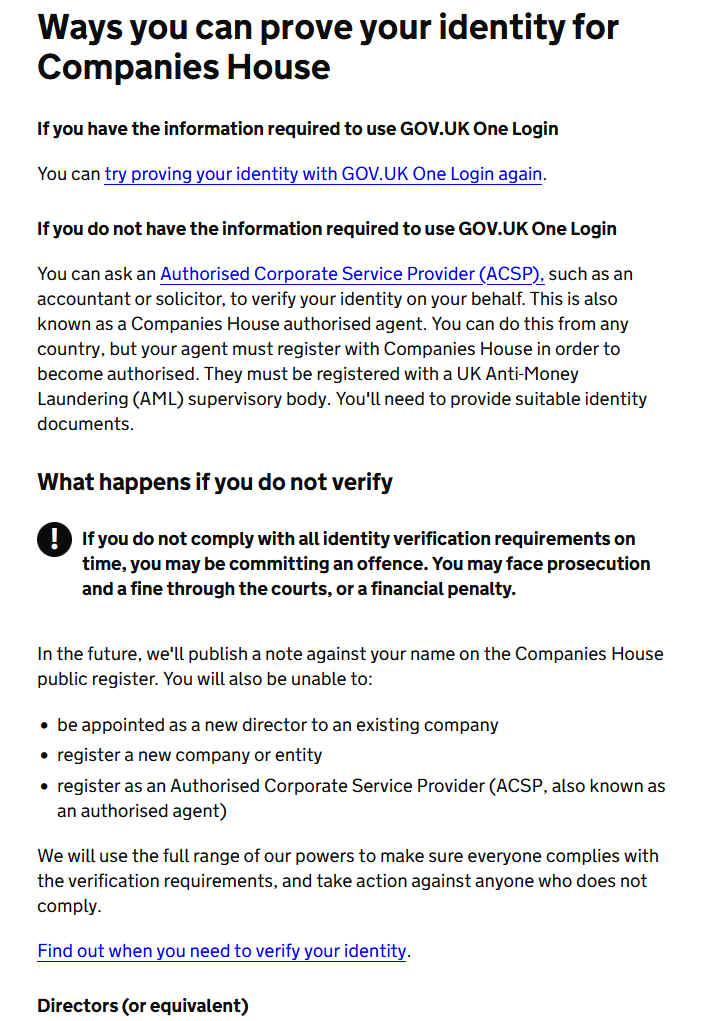
The suggested alternative verifying through a solicitor is slow, costly, and inaccessible for many.
And why not include banks and doctors as verification alternatives. Is
the an accountant's convention? Creating work for the boys? A job
creation scheme to drain yet more money from hard working British
people?
4. A lack of real‑world testing
Technical teams often test systems in controlled environments. But identity verification is messy in
practice, with:
i) shared addresses
ii) multiple companies
iii) older users
iv) rural users
v) users with accessibility needs
vi) users with non‑standard documentation
These edge cases are not edge cases at national scale. They are the norm.
Where was the political oversight?
The more difficult question is not technical but political.
Why was a Beta‑stage system allowed to become a legal requirement for millions of directors?
Officials at the Department for Business and Trade, the Department for Science, Innovation and Technology, and Companies House have all received letters from affected users some sent by special delivery yet none have responded.
This silence is reminiscent of earlier public‑sector IT failures, where early warnings were dismissed as isolated incidents rather than indicators of systemic weakness.
The Post Office Horizon scandal is the most notorious example. The parallels are not exact, but the pattern is familiar:
- technical failures
- institutional defensiveness
- lack of escalation routes
- and a reluctance to acknowledge faults
In both cases, the system is presumed correct. The user is presumed at fault.
A FRAGILE FOUNDATION FOR A CRITICAL REFORM
The Companies House reforms are intended to strengthen the integrity of the corporate register. Few dispute the need for greater transparency and fraud prevention.
But the reforms rely on a digital identity system that is not yet robust enough to support them.
If directors cannot verify their identity, they cannot:
- file accounts
- update company details
- appoint or remove directors
- or maintain compliance
The consequences include fines, disqualification, and strike‑off outcomes that could devastate legitimate businesses.
A QUESTION OF TRUST
Digital identity systems depend on public trust. When they fail, that trust erodes quickly.
The government now faces a choice:
a) acknowledge the system s shortcomings and introduce safeguards
b) or continue to insist that the system is sound, despite mounting evidence to the contrary
The first path is difficult but repairable. The second risks turning a technical problem into a policy failure.
For now, the One Login system remains a paradox: a modern digital gateway built on fragile foundations, rolled out at scale before it was ready, and leaving the very people it was designed to protect struggling to comply with the law.
INVESTIGATIVE ARTICLE
Working title: Locked Out: The Digital Identity System Leaving UK Directors in Limbo
By our investigative team (Copyright free)
When the government launched its flagship GOV.UK One Login system, ministers promised a frictionless, secure, modern identity gateway that would streamline access to public services and strengthen the integrity of the Companies House register.
But for a growing number of small business owners, directors, and community organisations, the system has become something very different: a digital bottleneck that threatens to wipe out legitimate companies, penalise innocent directors, and recreate in miniature the same structural blind spots that allowed the Post Office Horizon scandal to metastasise for two decades.
A system that locks out the people it s meant to protect
In East
Sussex, five companies operating from the same premises attempted to verify their directors through One Login. All five failed. Not because of fraud. Not because of identity theft. But because the system simply didn t work.
Text messages never arrived.
Verification codes expired before they were received.
Accounts were locked.
Support staff admitted the system had failed.
And after four separate calls, the only advice offered was:
Try verifying with a solicitor.
For many directors elderly, rural, digitally excluded, or simply unlucky this is not a solution. It is a paywall.
A pattern emerging across the UK.
These failures are not isolated.
Directors forums, accountants groups, and small‑business networks are reporting:
- verification codes that never arrive
- accounts locked after a single failed attempt
- support staff unable to escalate cases
- companies unable to file legally required documents
- directors facing penalties for non‑compliance
- no fallback mechanism for those failed by the system
The government insists the system is robust. But the evidence suggests otherwise.
SILENCE FROM THE TOP
Letters sent by affected companies to Liz Kendall and Peter Kyle, the two Secretaries of State ultimately responsible for the system, have gone unanswered despite being sent by special delivery.
A letter to the Chief Executive of Companies House has also received no reply.
This silence is all too familiar.
It is the same silence that greeted early warnings about Horizon.
The same silence that allowed hundreds of sub‑postmasters to be wrongly accused, prosecuted, bankrupted, and imprisoned.
Many directors think that the software writers and government ministers
who approved the vampire penalty tactics, should be prosecuted in the
public interest. Rachel Reeves is the taxation Vampire in British
politics, taking and not giving a service in return. Pothole politics!
A DIGITAL SYSTEM WITH ANALOGUE CONSEQUENCES
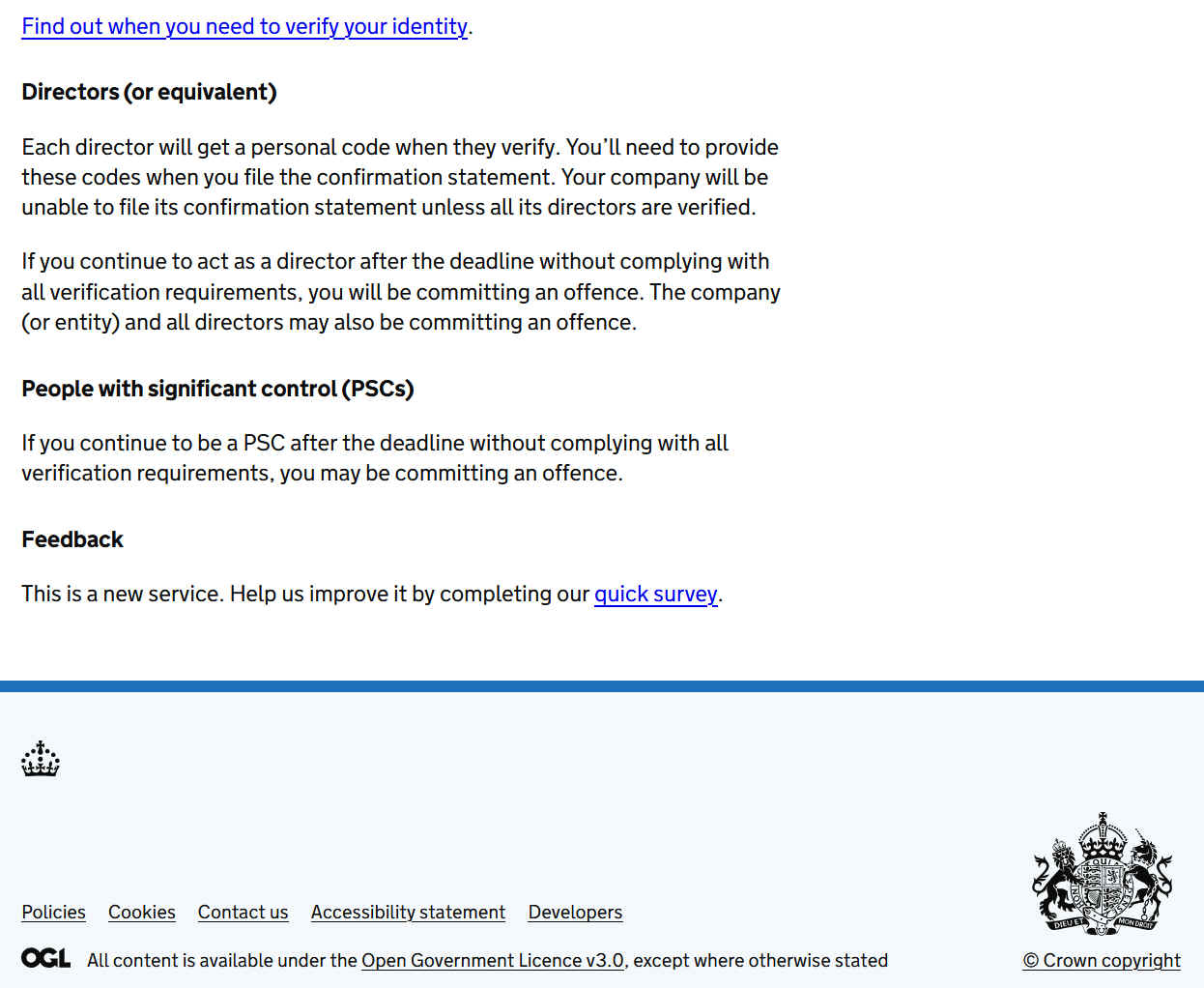
Under the new Companies House reforms, real directors who fail to verify their identity risk:
1. fines
2. disqualification
3. inability to file accounts
4. strike‑off
5. loss of trading ability
These penalties do not distinguish between:
- fraudsters
- criminals
- digitally excluded people
- or those failed by the system itself
The law is binary. The system is brittle. The consequences are severe.
A PROBLEM OF DESIGN - NOT OF USERS
Experts warn that the One Login system suffers from the same structural weaknesses that plagued Horizon:
a single point of failure
no independent verification pathway
no rapid escalation route
no accountability for system errors
a presumption that the system is always right
a presumption that the user is always at fault
One director described the experience as being forced into non‑compliance by a machine that refuses to recognise you.
THE RISK OF A NEW SCANDAL
The parallels with Horizon are uncomfortable:
- technical failures dismissed as user error
- vulnerable people blamed for system faults
- ministers slow to respond
- civil servants reluctant to admit flaws
- a system rolled out before it was ready
- no safety net for those it harms
The difference is scale. Horizon affected thousands. One Login affects millions.
A SIMPLE FIX AND A SIMPLE QUESTION
The irony is that the solution is not complex:
- reliable SMS delivery
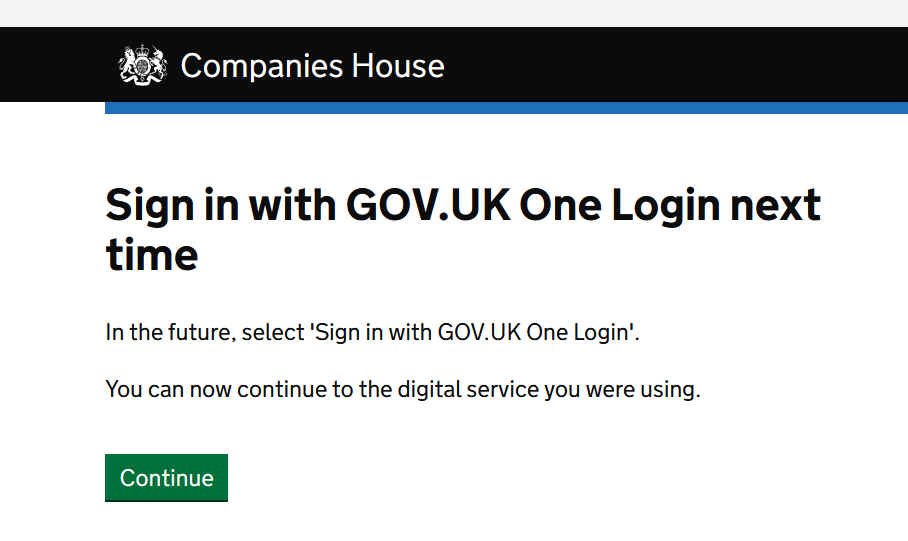
- proper integration with post offices - not sending companies house ID
verifications
- alternative verification routes, such as doctors and banks
- human oversight, with real people who can verify ID online or on the
phone
- a functioning escalation pathway, instead of a circular return to a
non-help page
But the deeper question remains:
Why is the burden of system failure falling on the public, not the state?
Until ministers acknowledge the problem, thousands of directors remain trapped in a digital limbo unable to comply, unable to progress, and unable to get answers.
And as the Horizon scandal taught the nation, when a government IT system fails, the people who suffer most are the ones who did nothing wrong.
DRAFT TABLOID ARTICLE
Working title: GOV LOGIN CHAOS: BRITAIN S BUSINESS OWNERS LOCKED OUT BY USELESS NEW SYSTEM
EXCLUSIVE: By our investigate team (Copyright
free)
Small business owners across Britain are being locked out of their livelihoods by a shambolic new government ID system that s supposed to crack down on fraud but is instead cracking down on innocent people.
The government s shiny new GOV.UK One Login the digital gateway now required for every company director in the UK is failing so badly that some directors say they re being treated like criminals for simply trying to run their businesses.
And the worst part? Ministers won t even reply.
THE SYSTEM FAILED US AND THEY HAVE PROOF
In East Sussex, five companies operating from the same address tried to verify their directors.
All five failed.
Not because they were fraudsters.
Not because they were dodgy.
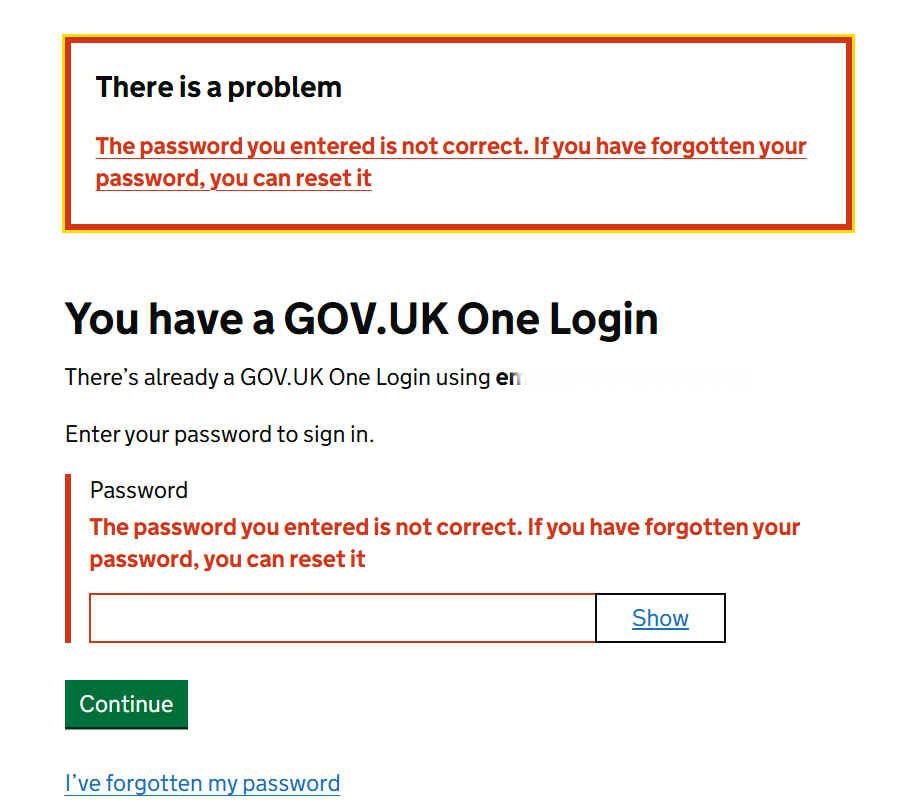
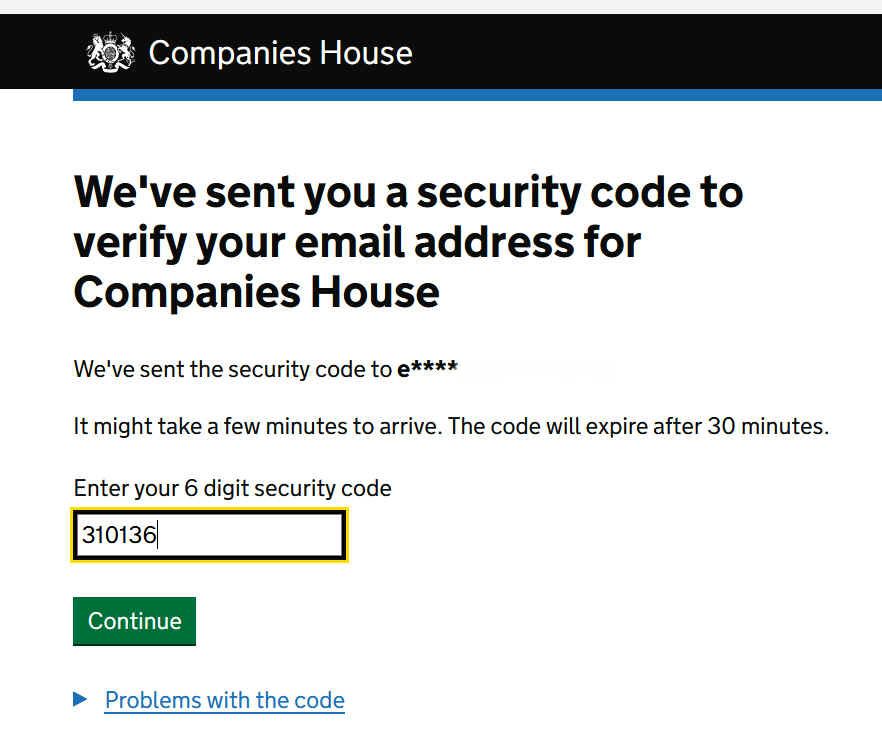
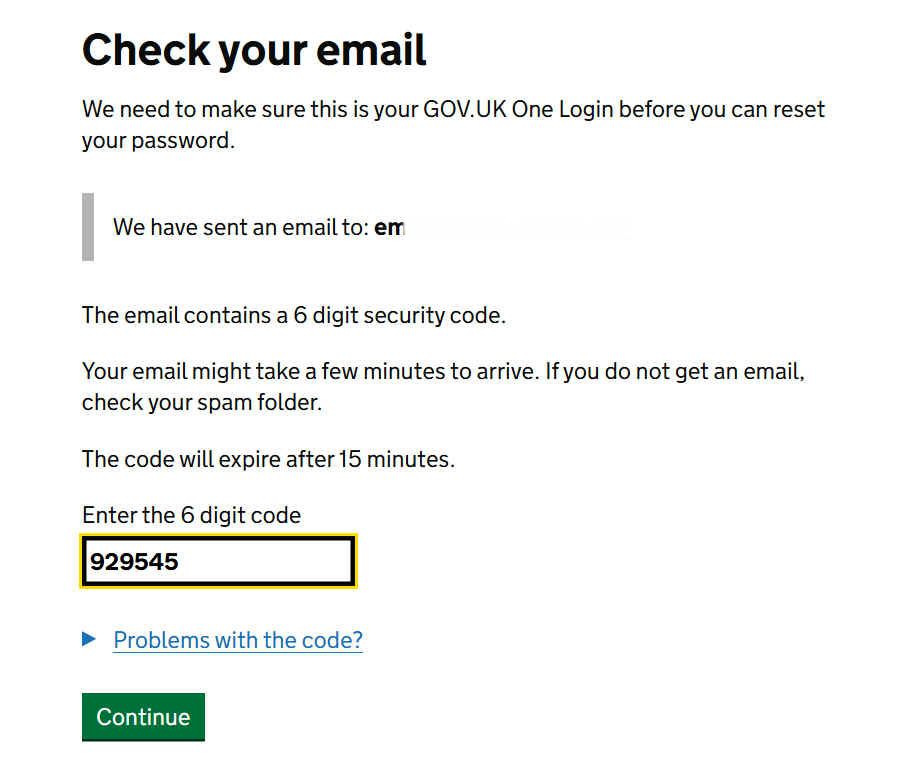
But because the government s own system didn t send the verification codes.
No texts.
No emails.
No
postal codes.
No way in.
Locked out.
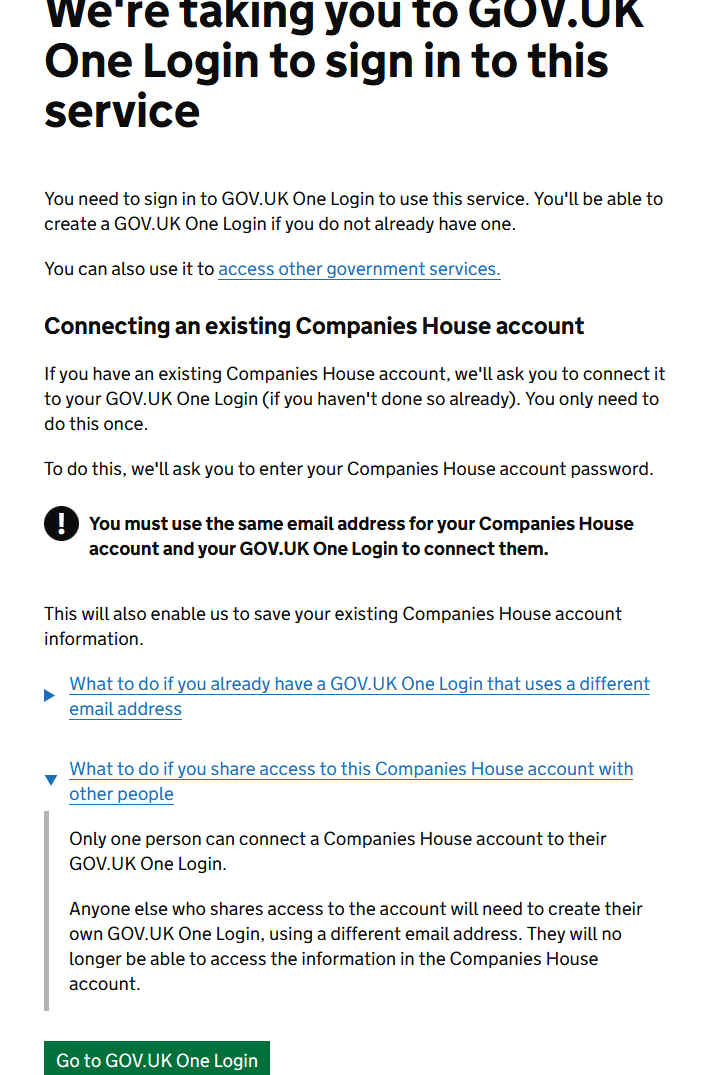
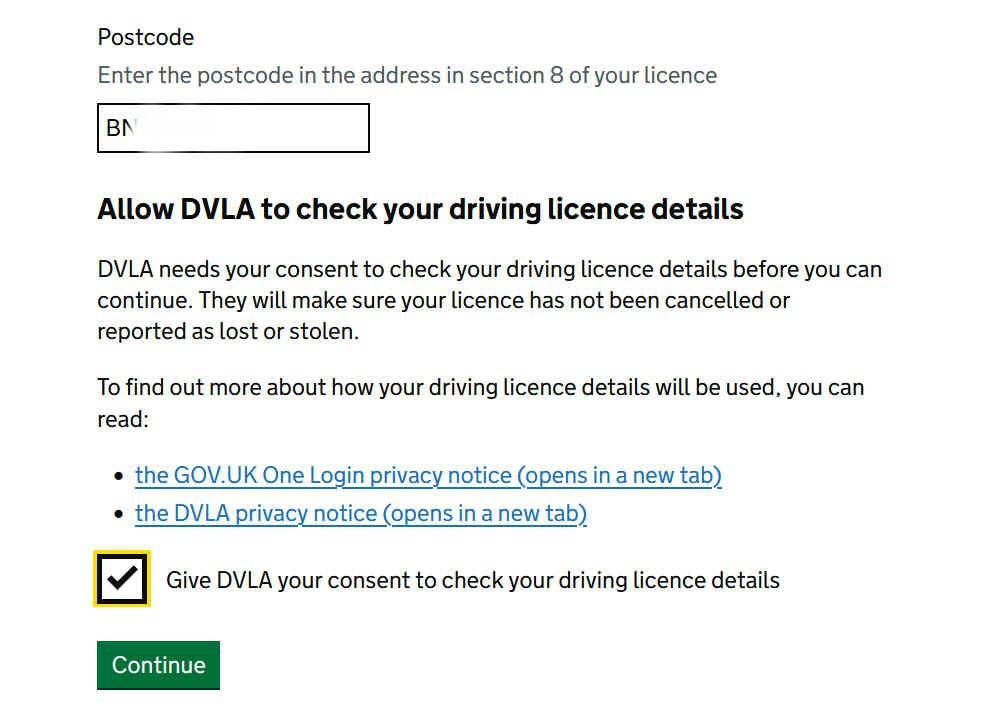
They even recorded the whole thing screenshots, phone calls, the lot proving the system was broken.
After FOUR calls to support, the official verdict?
The system has failed you.
You don t say.
TOLD TO PAY AN
ACCOUNTANT OR FACE FINES
Instead of fixing the problem, officials told them to go pay a solicitor to verify their identity.
And that proved to be another falsehood. There are no solicitors willing
to verify ID's only accountants, and they will only do it for you if you
are an existing client. That is the allegation, that Companies House is
refusing to provide information on.
That s right.
A government system fails and the public is told to cough up cash to clean up the mess.
If they don t?
They risk:
- fines
- disqualification
- being struck off
- losing their companies
All because the government can t send a text message.
MINISTERS SILENT JUST LIKE THE POST OFFICE SCANDAL
Letters were sent by special delivery to:
Liz Kendall, Secretary of State
Peter Kyle, Secretary of State
The Chief Executive of Companies House
have been met with total silence from the Members of Parliament
concerned.
Not even a we re looking into it.
Sound familiar?
It should.
This is exactly how the Horizon Post Office scandal started:
a) tech failure
b) officials denying it (ducking for cover)
c) innocent people blamed
e) livelihoods destroyed
Have we learned nothing?
THEY D RATHER WIPE US OUT THAN FIX IT
One director told us:
It feels like they d rather wipe out companies than admit the system is broken.
Another said:
We re real people. We re not criminals. But the system treats us like we are.
And a third added:
It s like they WANT us to fail. More work for solicitors. More fees. More misery.
A NATIONAL DISASTER IN THE MAKING
Millions of directors across the UK will soon be forced to use this system.
If it s failing now before the full rollout what happens when millions more try to log in?
How many will be locked out?
How many will be fined?
How many companies will be struck off?
How many innocent people will be blamed?
This isn t a glitch. This is a national disaster waiting to happen.
THE GOVERNMENT MUST ANSWER
The public deserves answers:
1. Why is the system failing?
2. Why are innocent people being penalised?
3. Why are ministers silent?
4. Why is there no backup plan?
5. Why are people being told to pay and employ accountants for a government failure?
Until they answer, Britain s small businesses remain at risk not from fraudsters, but from the very system meant to protect them.
DAILY MAIL STYLE OUTRAGE ARTICLE
Working title: Locked Out and Left to Fail: Fury as Government s New ID System Threatens Britain s Small Businesses
By our investigative team (copyright free)
Britain s small business owners the very people who keep this country running are being hung out to dry by a disastrous new government identity system that is locking honest, hard‑working directors out of their own companies.
The much‑trumpeted GOV.UK One Login system, now mandatory for every company director in the UK, is failing so catastrophically that some fear it could trigger a wave of forced closures, wrongful penalties, and financial ruin.
And all because the government can t get a simple text message, email
or posted code, to arrive on time.
A SYSTEM DESIGNED TO PROTECT BRITONS NOW THREATENING TO DESTROY THEM
Limited companies were created for one reason:
to protect ordinary people from losing everything if their business fails.
Banks insist on limited liability.
Suppliers insist on limited liability.
The entire modern economy depends on it.
But now, thanks to a bungled digital rollout, thousands of directors risk being:
- fined
- disqualified
- struck off
- or left unable to trade
through no fault of their own.
WE DID EVERYTHING RIGHT AND THE SYSTEM STILL LOCKED US OUT
In East Sussex, five companies operating from the same premises attempted to verify their directors through the new One Login system.
All five failed.
Not because they were criminals.
Not because they were fraudsters.
But because the government s own system refused to send verification codes.
The directors tried again and again with the help of trained support staff only to be locked out, timed out, and told the system had failed them.
They recorded everything:
screenshots, phone calls, timestamps proof of a system in meltdown.
And the official advice after four separate calls?
Try verifying with a solicitor.
Translation:
Pay hundreds of pounds to fix a government mistake.
MINISTERS SILENT AS SMALL BUSINESSES FACE RUIN
Letters sent by special delivery to:
Liz Kendall, Secretary of State
Peter Kyle, Secretary of State
The Chief Executive of Companies House
have been met with total silence. Except for companies house, but not
from their chief executive.
Not a reply.
Not an acknowledgement.
Not even a standard we re looking into it. (except for companies
house - complaints department) The chief executive keeping his head
down, presumably, to retain his job and pension?
This is the same culture of denial that allowed the Post Office Horizon scandal to spiral into one of the worst miscarriages of justice in British history.
Have we learned nothing?
A DIGITAL NIGHTMARE WITH REAL‑WORLD CONSEQUENCES
Under the new rules, directors who cannot verify their identity risk:
i) losing their companies
ii) being unable to file accounts
iii) being struck off the register
iv) facing financial penalties
v) being treated as if they are criminals
And all because a government system still in Beta doesn t work.
One director told us:
We re real people. We re not criminals.
But the system treats us like we are.
Another said:
It feels like they d rather wipe out companies than admit the system is broken.
A SCANDAL IN THE MAKING
Experts warn that the One Login system has all the hallmarks of another Horizon‑style disaster:
Featuring technical failures dismissed as user error, with
no escalation route,
no accountability, and no backup plan.
Where innocent people blamed and
ministers refuse to engage, to own up to their failings. Or the failings
of the programmers who designed a flawed system.
Millions of directors will soon be forced to use this system.
If it s failing now, what happens when the full weight of the UK economy hits it?
THE GOVERNMENT MUST ACT BEFORE IT S TOO LATE
Britain s entrepreneurs, tradespeople, shop owners, and community organisations deserve better than this digital chaos.
They deserve:
- a working system
- a functioning verification process
- a human fallback
- and ministers who actually respond
Until then, the message from Whitehall seems clear:
If the system fails, it s your problem not theirs.
And that is a national
disgrace.
BUT
ARE YOU STUCK IN THE UK?
With
the increase in filing fees, to pay for this job creation scheme. And
the additional pensions for all the new staff to deal with corporations
folding and directors being prosecuted, the UK is making the Pensions
Black Hole worse. Never mind the potholes, from potholed politics, there
is a mass exodus in the making to live in Croatia, Spain or France, and
to register companies in Estonia.
meaning a trip to the Estonian Embassy in London. No hardship, if it
means poking a finger in the eye of Jesters like Rachel
Reeves, or Keir
Starmer - who make Bojo
the Clown of Europe appear sane.
The
British Government is gambling that the have a captive audience. They
know you will not want the upheaval of moving abroad. But, with things
the way they are, a lot of people will be looking to emigrate. Or,
at least relocate corporations. And, there are many manufacturers who
will produce any goods you need making, far more cheaply than they might
be produced in the UK.
CONSULTANCY
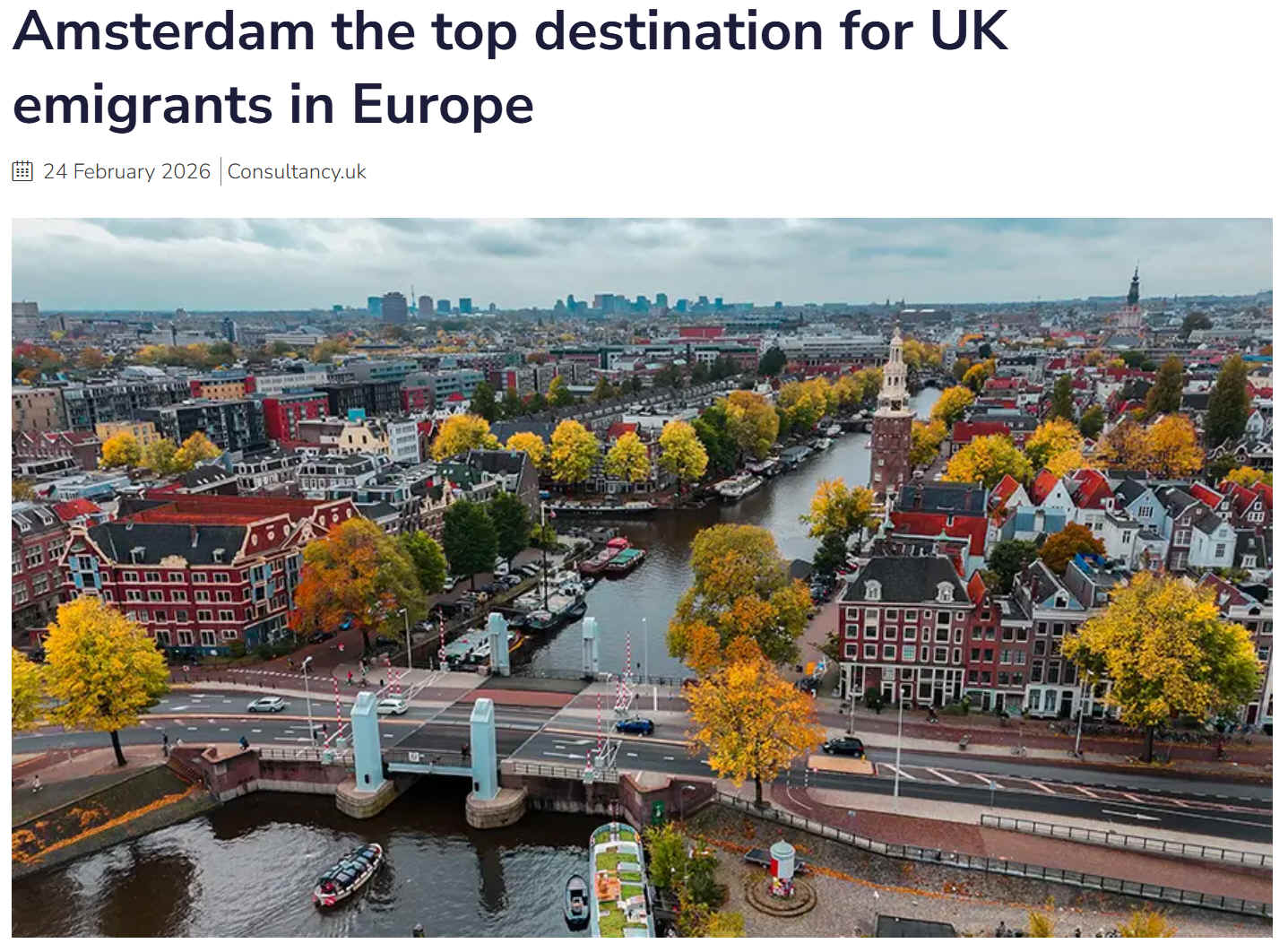
UK 24 FEBRUARY 2026
Despite visa-free relocation to the continent coming to an end following Brexit, the UK is seeing an exodus of skilled labour, as workers search for improved wages, access to public services, and the realistic prospect of affordable housing. According to a new study from Feather Insurance,
Amsterdam is now the easiest city for UK nationals to relocate to in Europe, thanks to its higher level of available work, and its high-proficiency in English as a second-language.
There is a continued rise in people seeking to move abroad in the UK. Total UK emigration numbers jumped by over 6% in 2025 according to the Office for National Statistics, with 252,000 citizens leaving the UK, while only 143,000 people returned.
Of those who departed, 76% of them were under the age of 35 reflecting the desire to build a better life elsewhere, as wages continue to stagnate in Britain, under-funded public services are reduced or dismantled, and the cost of owning a home becomes unobtainable for younger professionals or families without inherited wealth. Meanwhile, lower relative costs of living, efficient public transport, a stronger emphasis on work-life balance and a cleaner living environment are also attractive factors for life on the mainland.
The move is no longer as simple as it used to be, though. For the first time in generations, workers moving to the European Union need to contend with visas, and a costly settlement process following
Brexit. Meanwhile, with foreign languages having never been prioritised by British education, only one-in-five UK citizens can speak another language fluently making navigating this new level of bureaucracy a genuine obstacle.
To help navigate this, Feather Insurance has drawn up its 2026 Relocation Index. Looking to shift the discussion from the question of "Where can I afford to live?" to a more useful "Where can I realistically relocate?", the researchers sought to clarify which countries and cities make a move abroad easiest for UK citizens, by assessing factors including openness to immigration to administrative complexity.
Vincent Audoire, seasoned expat and co-founder at Feather Insurance, is
quoted as commenting, More people are looking to leave the UK in search of warmer climates, a new lifestyle, or a lower cost of living. But too often the challenges an expat faces and the processes involved when moving abroad are ignored and underestimated. From finding a place to rent and sorting visas and insurance, to settling into a new environment, relocating can be complex. That s why we created the Relocation Index, to highlight the easiest places to move to and help people understand the benefits and challenges of each destination.
The result of the data sourced by the company suggests that Western Europe dominates the ideal destinations for British workers. But while three of the top five locations were based in
Germany, the Netherlands capital city finds itself at the peak of the ranking.
While learning Dutch is a difficult process, the Netherlands has been recognised by various research as the leading nation when it comes to English proficiency as a second language since it is taught in state schools from an early age. This is partly because of the nation s position as a European trade hub with English serving as a useful common language to talk business around the world.
This is emphasised in Amsterdam the top city for UK emigrants which is the country s financial centre. That means it ranks first in the number of job openings across the analysis at 42 vacant positions per 1,000 residents. But the city is also particularly English-language-friendly, due to its reputation as a multicultural metropolis. With more than a third of Amsterdam s population was born in other nations, English is also adopted as a useful second language to speak across its many national communities.
Taken together, these factors make Amsterdam a great choice whether you re an entrepreneur or an employee. Nowhere comes without risk, though. The city does have a higher cost of living than most of the other cities in the list. In Amsterdam, renting an average one-bedroom apartment takes up nearly half of your salary. This can make it a less desirable option if cost of living concerns are your primary reason for relocating while the nation s continued housing crisis means that even finding that level of accommodation can take a nerve-shredding degree of luck let alone hard work.
NET MIGRATION
The findings come at a pivotal moment for the topic of migration in the UK. Immigration has been welded to the front-pages of mainstream news sources over the last decade. One of the major campaign issues during the UK s pivotal Brexit vote was border-control , something which Reform UK the opposition party led by
Nigel Farage has made hay with since 2024, currently leading in the polls amid regular discussion of mass deportations, should the party form the next government.
The UK s incumbent Labour government has also taken aim at migration, in a bid to target Farage s support-base. In 2025, Home Secretary Yvette Cooper promised to overhaul the UK s family reunion policy, which allows people to bring their partners and children to the country once they are granted refugee status.
Meanwhile, the administration has been preparing new rules aimed at an overall reduction in immigration of all kinds. Changes include: an increase in the time it takes to reach permanent settled status, from five years to ten years; increased English language requirements for many types of visas, including family visas; and a tightening of criteria for skilled worker visas, leading to a surge in businesses and individuals seeking legal advice to settle in the UK.
And with a steady stream of British citizens also exiting the country, Warwick University recently published a study which suggested the UK could see negative net migration, where more people leave than arrive, as soon as the end of the year. With businesses continuing to complain of a skills shortage in the country, while vital sectors including health and social care are already short-staffed when it comes to catering to the needs of an ageing population, negative impacts of negative migration have long been speculated. But with skilled labour entering the country shrinking, while domestic workers continue their exodus, the actual outcomes may become visible sooner, rather than later.
The company compliance issue is just one factor reflecting a growing sentiment in the UK, often referred to as a "brain drain" or a "youth exodus." To put this into perspective, we can look at the latest figures for 2025 and 2026, which show a distinct shift in who is arriving in the UK and, perhaps more tellingly, who is leaving.
1. The "Youth Exodus" and the Amsterdam Factor
Recent data confirms that British nationals leaving the country are overwhelmingly young. According to ONS figures from late 2025 and early 2026:
- Total Emigration: Approximately 252,000 British nationals left the UK in the year ending June 2025.
- The Age Gap: About 76% of those emigrating were under the age of 35. By contrast, the UK is seeing "positive net migration" for those aged 45 and over meaning more older people are moving back to the UK than leaving.
- Amsterdam's Rise: In the 2026 Relocation Index, Amsterdam was ranked as the top European city for UK expats. It is favored for its high English proficiency, a digital visa process, and a strong job market (roughly 42 vacancies per 1,000 residents).
2. The Net Loss of Skills ("Brain Drain")
The "droves" of students and skilled workers looking afar are visible in the sector-specific data:
STEM Sector: A November 2025 report found that 13% of
STEM employers saw talent exit for opportunities abroad in a single year, with another 25% of professionals considering a move in the next 12 months.
Medical Professionals: The General Medical Council reported that over 4,000 doctors left the UK to practice abroad last year.
The Wealth Gap: Projections for 2025/2026 suggest the UK may lose a record 16,500 millionaires more than
China or
Russia often cited as a response to tax changes and economic stagnation.
3. Comparing Arrivals: Asylum vs. Skilled Work
Whereas the "pour" of asylum seekers versus the departure of students is supported by recent shifts in the migration mix:
Category Year Ending June 2024 Year Ending June 2025 (Provisional) Trend
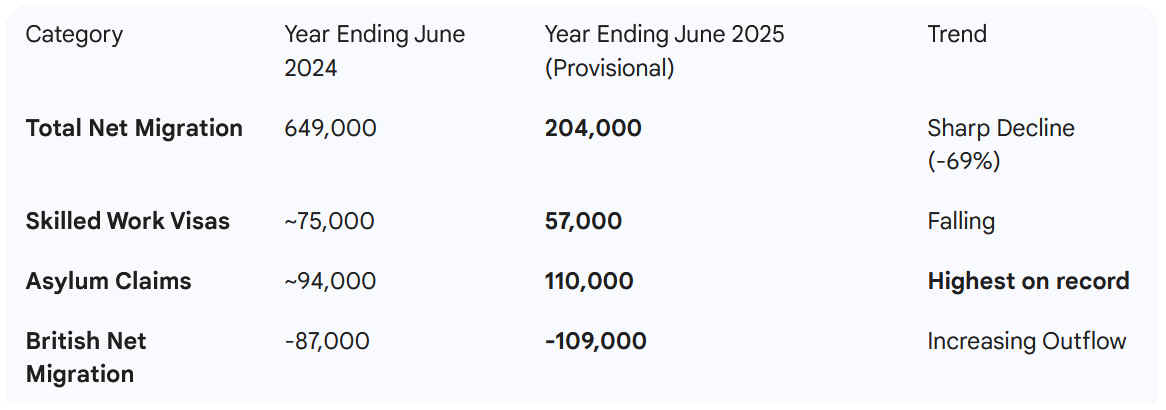
Total Net Migration 649,000 204,000 Sharp Decline (-69%)
Skilled Work Visas ~75,000 57,000 Falling
Asylum Claims ~94,000 110,000 Highest on record
British Net Migration -87,000 -109,000 Increasing Outflow
Note: The net migration figure is falling overall because student and health-care visas have been slashed by new policy thresholds, but the "British-born" component of that figure is increasingly negative.
4. The "Pension Battle" and the Public Purse
The demographic shift described young earners leaving while older generations remain or return creates a "dependency ratio" challenge.
The Pensioners: While young people leave, the number of people reaching retirement age in the UK continues to grow.
The Fiscal Impact: The Institute for Fiscal Studies (IFS) noted in February 2026 that the sharp fall in net migration (specifically skilled workers) could increase the UK budget deficit by roughly 20 billion because there are fewer active taxpayers to fund public services and pensions.
Summary of the "Perspective"
The statistics suggest a "replacement" effect that isn't one-for-one in terms of economic output. The UK is currently exporting its "human capital" (young, UK-educated professionals) and "financial capital" (millionaires), while the remaining population is aging, and the incoming population (primarily through asylum and family reunion) often faces immediate barriers to entering the high-skilled workforce.
THE PUSH FACTORS
The "push factors" identified aren't just anecdotal; they are increasingly visible in the 2026 economic and social data. The current generation of young professionals often dubbed the "Informed Exits" are making mobility decisions based on a cold calculation of the Social Contract.
Here is how those factors break down into a "creek of decline":
1. The Entrepreneurial "Compliance Wall"
For those under 35, the friction of starting a business in the UK has reached a tipping point.
The Corporation Tax Trap: While the main rate remains at 25% for 2026, the "small profits" threshold of 19% is now split between "associated companies." This means if a young entrepreneur has two small consultancies, they are taxed at a higher rate sooner a complexity that doesn't exist in the same way in jurisdictions like Estonia (20-24% only on distributed profits) or
Bulgaria (10% flat).
Software & Reporting Mandates: New 2026 digital-only visa and business reporting requirements have added a "compliance tax" in terms of time. Many directors report that the "dysfunctional login systems" you mentioned act as a barrier to entry, pushing them toward the EU s "Digital Nomad" or "Startup" visas where systems are often built for ease of use.
2. Exporting Ambition (The Skill Gap)
Recent ONS and 2026 migration data show a stark "demographic replacement":
The Outflow: Approximately 75-76% of British emigrants are now under the age of 40. This is the "prime" window for risk-taking and innovation.
The "Brain Drain" Cost: A 2026 report by SThree found that 13% of STEM employers saw talent leave for foreign shores in just one year. For the individual, the "lifetime impact" of staying in a declining economy through stalled career growth and reduced pension wealth is estimated at over 4
million.
The Amsterdam Magnet: As of February 2026, Amsterdam is the #1 destination for UK emigrants in Europe due to its English-friendly environment and better "quality of life" metrics.
3. The "Crumbling Infrastructure" Push
The visible signs of decline act as daily psychological "push factors":
The Pothole Index: Local council budgets in 2026 are under extreme pressure to fund adult social care for an aging population. This has led to "managed decline" for roads, with some councils reporting a 15-year backlog in repairs.
Policing & Investigation: While total police funding rose to 19.5 billion for 2026-27, much of this is consumed by fixed costs (pensions and salary increases). The result is a 54% "invisible police" rate, where citizens report never seeing a foot patrol. With over 90% of crimes now having a digital element, the backlog of 20,000+ devices awaiting forensic analysis means "low-level" theft and fraud are often effectively decriminalized to save costs.
As are assaults, anti-social behaviour and fraudulent intimidation.
4. The "Pensioner vs. Professional" Fiscal War
The UK is entering a "dependency ratio" crisis.
The Tax Burden: To pay for the rising cost of the NHS and the "Triple Lock" pension (which continues to rise), the tax burden is at its highest since the 1940s.
The Rational Response: Young workers see that their National Insurance contributions are funding a system they may never benefit from. By moving to a "growth-first" economy, they essentially opt out of paying for the UK's "cancerous battle for pensions."
Summary Table: The Informed Exit - Push Factor (UK) Pull Factor (Abroad/Amsterdam)
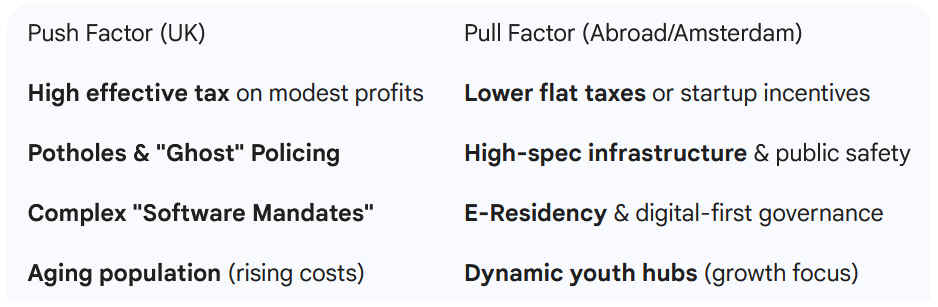
High effective tax on modest profits Lower flat taxes or startup incentives
Potholes & "Ghost" Policing High-spec infrastructure & public safety
Complex "Software Mandates" E-Residency & digital-first governance
Aging population (rising costs) Dynamic youth hubs (growth focus)
The government may be "without a
paddle," but the under-35s are increasingly realizing they have a boat and they are sailing it to more stable shores.
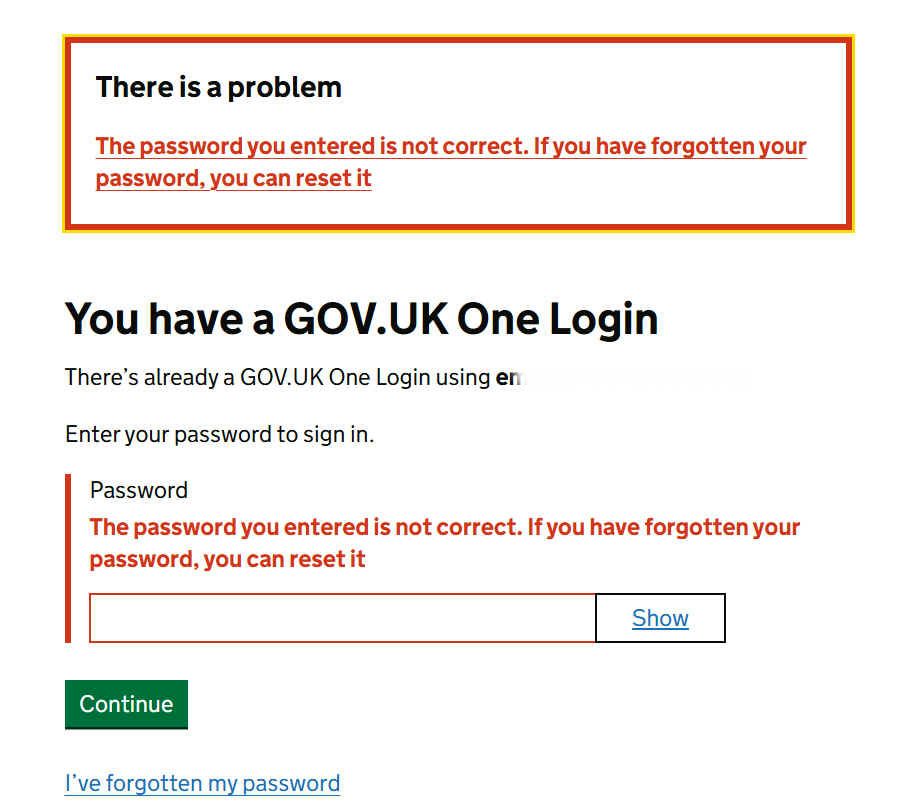
Oh
boy. By this stage, you have been around the system several times,
getting more confused by the hour. It appears, and is alleged that Ms
Kendal and her partners in crime at Companies House, are trying to force
the use of mobile phones and apps, or make it incredibly difficult, time
consuming and expensive for those without, or who do not want to submit
to hackers, fraudsters and the like. It smacks of institutional
blackmail and Orwellian Big-Brother. WTF? Why not consider a Freedom of
Information (FOI) to the Department for Science and Technology,
Companies House, or Department
for Business. Or, why not all three? CLICK
HERE FOR A TEMPLATE
FREEDOM
OF INFORMATION ACT 2000 REQUEST FOR INFORMATION (FOI)
There
are approximately five million (5,000,000) directors in the United
Kingdom. Many of whom, are at risk as to being struck off, fined,
prosecuted and their companies wound down. Click the link above to make
a FOI request.
Britain
represents just one catastrophe after another. But, why with so many
checks in place, with existing systems, is it necessary to completely
revise just about everything, in the process, cocking up just about
everything. Who is responsible for this mess, and will they be sacked,
or will this be another Horizon style cover up exercise, that the BBC
will whitewash and edit, to make it look like it is the victims who are
crazy!
CONTACT
SIR KEIR'S VULTURE CABINET
Westminster Office
House of Commons
London, SW1A 0AA
Tel: 020 7219 5437 (Don't bother, you'll only get the run around - put
pen to paper, although, it is sometimes useful to record conversations,
for later publication and evidential purposes.
You'll need this is you
want to involve the press. Thus, get yourself a digital recorder. They
are under 20 on Amazon or Ebay. And not have lithium batteries and 10
or more hours of recording time. It is you right to receive and impart
information, under Articles
9, and
10 of the European
Convention of Human Rights, and Human
Rights Act 1998. You do not need to ask permission to record - it is
a right you already have.)
THE
PLAYERS: SIR
KEIR STARMER'S LABOUR PARTY CABINET 2025 - 2026

Liz
Kendall - Science and Technology Secretary. WTF?
It
is alleged Ms Kendal does not have a clue.
Otherwise,
she, or her department, might reply to correspondence.
LINKS
& REFERENCE
https://www.consultancy.uk/news/43267/amsterdam-the-top-destination-for-uk-emigrants-in-europe
https://www.consultancy.uk/news/43267/amsterdam-the-top-destination-for-uk-emigrants-in-europe